So, you've booked your venue, you've chosen your date and now you're faced with the huge task of finding a wedding photographer amongst everything else.
All of a sudden you’re overwhelmed because, let's be honest, there are A LOT of them.
Documentary, editorial, fine art, traditional...“light and airy”, “dark and moody”, “timeless”, “natural”, “relaxed” - there are so many ways to describe wedding photography. Then there are packages, hours, albums, second photographers, engagement shoots, sneak peeks and approximately a million Instagram posts to scroll through. It can all feel like a bit much.
Your wedding photographs are one of the few things you'll have left once the day is over, so choosing your photographer is worth taking some time over, but it doesn't have to be complicated.
Here are ten things I'd recommend thinking about when you're choosing the person (or people!) who'll capture your day.
1. Start with the style you love
Before you start comparing prices and packages, spend some time looking at photographs and working out what you actually like.
You'll come across lots of different photography styles, and while these labels can be useful, they aren't always as straightforward as they sound.
Rather than getting too hung up on the labels, I'd suggest looking at the actual photographs.
Do you like what you're seeing?
And, more importantly, can you imagine your own wedding looking like that?
Click the styles below to find out more.
Documentary
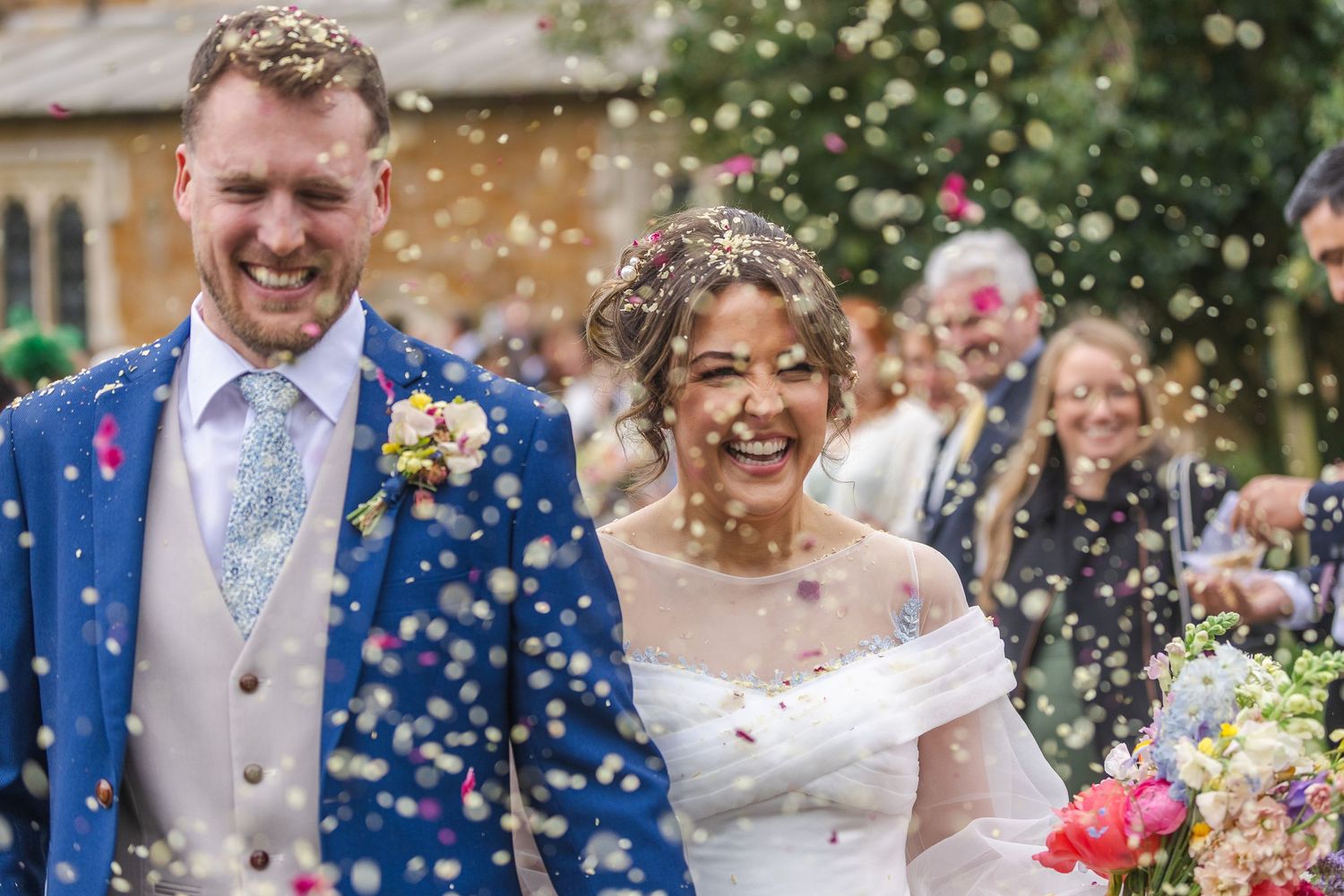
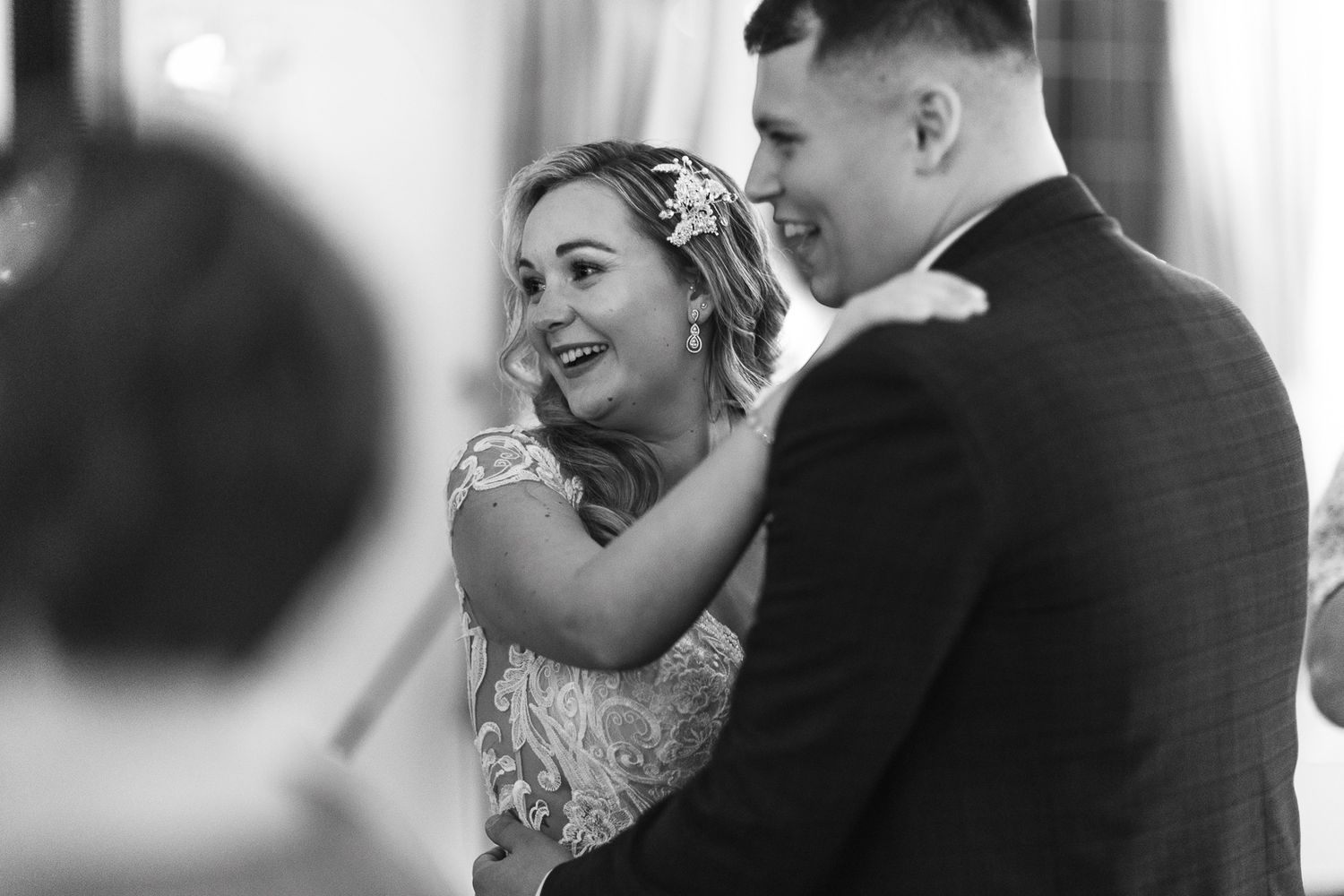
Documentary photography is about capturing things as they happen. Rather than directing every moment, your photographer observes what's going on and looks for the real interactions, reactions and little moments throughout the day.
Natural
Natural photography tends to have a similar feeling, with less emphasis on stiff posing and lots of focus on people just being themselves.
However, that doesn't mean you won't receive any direction. A good photographer should still be able to help you if you're not sure what to do in front of the camera. For me, that means giving you some gentle prompts and direction when needed, rather than asking you to hold a pose for ages.
Editorial
Editorial photography tends to be more considered and polished. You might see sharper compositions, fashion-inspired portraits, interesting use of light or more curated details.
I love bringing some of this into my work, particularly with portraits, details and black-and-white photographs, but I don't want your entire wedding gallery to feel like a photoshoot.
Traditional
Traditional wedding photography usually includes the photographs you'd expect from a wedding photographer - family groups, couple portraits and those more formal photographs your Grandma wants to frame for her mantelpiece.
There's absolutely nothing wrong with wanting these photographs; there will always be a place for them. Some photographers will pose guests quite formally, while others might put their own spin on these photographs by changing up the location, composition or the way people are positioned. There are lots of ways to create those classic photographs without them all looking the same.
Your wedding photographs should include the people and photographs that matter to you, alongside all the spontaneous moments happening throughout the day.
Fine art
Fine-art is another term you'll see used frequently, although it can mean different things to different people. It might refer to the way photographs are composed and edited, the overall aesthetic, or even the finished albums and prints.
2. Look at complete wedding galleries
This is one of the biggest things I'd recommend when choosing your photographer.
Instagram is brilliant for discovering photographers, but remember that you're usually seeing their favourite images from lots of different weddings.
Look at how they photograph the whole day - not just the couple portraits. A wedding isn't just the five or ten photographs that make the Instagram cut.
There are hundreds of little moments happening throughout the day, and I think your photographer should be able to tell that complete story, not just the ‘wow’ moments. That's why I'd always encourage you to look through full galleries wherever possible. You want to see consistency, not just a handful of impressive images.
3. Make sure you actually like
your photographer
This one sounds so obvious, but it really matters. Your photographer is likely to be around you for a lot of your wedding day so...you should probably like them! You don't need to become best friends, but you should definitely feel comfortable around them.
I want my couples to feel like they can chat to me, ask me questions, tell me if there's something they're unsure about and, most importantly, be themselves around me.
That relationship can make a HUGE difference to your photographs. If you feel awkward or uncomfortable, it tends to show. If you're relaxed and enjoying yourself, that's when the best moments are captured.
And don't just look at reviews that say someone takes beautiful photographs. Look for comments about how they were to have around on the day, too.
4. Think about how much coverage
you actually need
Before choosing a package, think about what you want your wedding coverage to include.
Some couples are happy with a shorter collection covering the ceremony, portraits and wedding breakfast. Others want the complete day, from the first hair and make-up of the morning right through to the dance floor. Neither is right or wrong - just think about what you'll want to remember.
For me, those quieter photographs from the morning can be just as important as the big moments. The champagne with your bridesmaids, your mum helping with your dress, the buttonholes being pinned on, your partner nervously waiting for the ceremony...
And then, of course, there's the end of the night where everyone’s letting their hair down, shoes are coming off and they’re having far too much fun to care that the camera is there. Those moments can be some of the most fun to look back on.
It's all part of your story.
5. Decide whether you want one or
two photographers
You don't automatically need two photographers.
A single person can capture an incredible wedding story, particularly for smaller weddings or shorter coverage. There are, however, some advantages to having two.
Two photographers can be in two places at once. While one is with you getting ready, the other can be with your partner. During the ceremony, you can have different viewpoints. During the drinks reception, one can concentrate on the couple while the other captures your guests. It also means there are two completely different perspectives throughout the day.
I've worked alongside Keith for many years, and when we're photographing a wedding together, I love the way we can cover more of what's happening without either of us having to be everywhere at once.
But if you're having a smaller wedding or simply don't feel you need two photographers, one can be absolutely enough. It's about what works for your wedding.
6. Think about what happens after the wedding
It's very easy to spend all your time comparing photographers' Instagram feeds and package prices and forget to ask what happens after the wedding.
How will you receive your photographs? Will you have a private online gallery? How long will it be available? Can you download your images and share them with family and friends? And will you be able to order prints when you want to?
It's worth finding out exactly what's included before you book, as every photographer works slightly differently. Some include downloads and an online gallery as standard, while others may offer prints, albums or other products as additional options.
For me, I like to make things as easy as possible for my couples. Your online gallery is about more than simply receiving a folder of images, it's somewhere you can come back to your photographs, relive the day and share it with the people who were there (without having to dig out a USB or search through your camera roll to find them.)
And don't forget about printing your favourites! Your wedding photographs deserve to exist somewhere other than on a screen. Whether that's a framed photograph on the wall, a few prints for your parents or something as simple as having your favourite images printed for yourself, it's lovely to have something tangible to hold onto.
7. Check exactly what's included in the price
Don't just compare the headline price. Two photographers might appear to charge very different amounts, but their packages could include completely different things.
Check these things
How many hours of coverage are included?
Is it one photographer or two?
How many edited photographs will you receive?
How do you receive your final photographs?
Is travel included?
How much do extra hours cost?
Are there any additional costs you need to know about?
For example, my shorter collection is designed for couples who don't need coverage for the entire day, but additional coverage can be added if you need a little more time. I also include travel within 50 miles each way of my postcode, with additional mileage beyond that, so it's worth checking exactly what a photographer considers to be included travel rather than assuming it's covered.
The cheapest package isn't necessarily the cheapest option once you start adding everything you actually want.
8. Look at experience and consistency
Photography is a creative job, but experience matters too.
Wedding days don't always go according to plan. Timings change. The weather does something unexpected. Family photographs take longer than planned. Someone loses a buttonhole. Someone misplaces the rings. Someone gets stuck in traffic.
Your photographer needs to be able to roll with it.
I've been photographing weddings since 2016, and I've also had the benefit of working alongside Keith, who has more than 40 years of wedding photography experience. Between us, we've photographed hundreds of weddings, so we've seen quite a lot over the years!
That experience isn't about making your wedding feel overly structured. It's actually the opposite. Knowing what to expect means we can anticipate what's coming next, work around the unexpected and keep things moving without making you feel like you're constantly being directed.
I've also worked in the wedding industry from an event managing standpoint, which has given me a good understanding of everything happening behind the scenes on a wedding day. I know how much coordination goes into keeping a wedding running - from timings and suppliers to the wedding breakfast, speeches and evening celebrations. Photography is only one part of that bigger picture, so I'm used to working alongside what's happening rather than getting in the way of it.
Experience also helps when things don't quite go to plan - from tricky lighting and unfamiliar venues to changing weather, family dynamics and all the little variables that make every wedding different.
9. Ask the questions that matter to you
Once you've narrowed down a few photographers whose work you love, don't be afraid to ask questions.
You might want to know how they work on the day, what happens if the weather changes, how long you'll wait for your gallery or what happens if your wedding runs over the agreed coverage. These things might not seem important when you're scrolling through Instagram, but they're worth knowing before you book.
There aren't really any silly questions when it comes to something as important as your wedding photographs, and a good photographer should be happy to talk you through how they work.
I've put together a wedding photographer checklist to help you know what to ask before you book, so you can take it with you when you're chatting to photographers and make sure you've covered the things that matter to you.
10. Trust your gut
After you've looked at the photographs, read the reviews, compared the packages and asked all your questions, there's still one thing to consider:
How do you feel about them?
You might find a photographer whose photographs you absolutely love, but their approach doesn't feel like it would suit you. Or you might find someone whose work you instantly connect with and whose personality makes you think, yes, I can imagine having them there on our wedding day.
That's important. Your wedding photographs should feel like you.
If you love natural moments, genuine interactions and photographs that tell the story of the day rather than making the whole thing feel like a photoshoot, then look for a photographer whose work reflects that. And don't feel pressured to choose a photographer because they're popular on Instagram or because everyone else seems to be booking them.
Take your time. Look through the galleries. Ask the questions. Have a chat. Then choose the photographer whose work and approach feel right for you.
Choosing your wedding photographer
There is a lot to think about, but ultimately, choosing your wedding photographer doesn't need to be complicated.
Find someone whose photographs you genuinely love. Someone whose personality you feel comfortable with. Someone whose approach fits the way you want your wedding day to feel.
And most importantly, look beyond the pretty Instagram page, because when you look back at your wedding photographs years from now, you'll want more than a few beautiful portraits.
You'll want to remember your people, your place, your little details, the big moments, the laughter, the love and everything that happened in between.
If you're planning a wedding in Leicestershire, Derbyshire, the wider East Midlands or further afield, you can find out more about me and my approach, and my wedding photography collections below.
For two photographer collections with myself and Keith, visit www.mossgrayphotography.co.uk